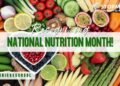

Exploring the theme of How Schools Can Actively Participate in National Nutrition Month, this piece sets the stage for an enlightening journey. Join us as we delve into strategies, collaborations, and educational approaches that can make a significant impact on students' well-being and academic success.
Let's dive into the world of nutrition awareness in schools and discover the keys to fostering a healthy learning environment for students.
Importance of National Nutrition Month in Schools
National Nutrition Month holds great importance in schools as it serves as a dedicated time to raise awareness about the significance of proper nutrition for students. By actively participating in this initiative, schools can play a crucial role in promoting healthy eating habits and overall well-being among their students.Significance of Promoting Nutrition Awareness
- Enhances Academic Performance: A well-balanced diet rich in essential nutrients is linked to improved cognitive function and concentration levels, ultimately leading to better academic performance.
- Supports Physical Health: Proper nutrition is essential for the growth and development of children, helping to boost immunity and prevent various health issues.
- Teaches Lifelong Habits: By educating students about the importance of nutrition, schools can instill healthy eating habits that can benefit them throughout their lives.
Impact of Nutrition on Academic Performance
- Improved Focus and Attention: Nutrient-dense foods like fruits, vegetables, and whole grains provide the necessary energy for students to stay focused and attentive in class.
- Enhanced Memory Retention: Certain nutrients like omega-3 fatty acids found in fish can support memory retention and cognitive function, aiding in learning and information recall.
- Regulated Mood and Behavior: Balanced nutrition can help stabilize mood swings and behavioral issues, creating a conducive learning environment for students.
Strategies for Schools to Promote Nutrition
To promote nutrition in schools, it is crucial to educate students on healthy eating habits, utilize school meal programs effectively, and organize nutrition-related events and activities.Educate Students on Healthy Eating Habits
- Integrate nutrition education into the curriculum to teach students about the importance of balanced diets.
- Offer cooking classes or workshops to help students develop essential culinary skills and make healthier food choices.
- Encourage students to plant and maintain school gardens to learn about growing fresh fruits and vegetables.
- Provide nutrition resources and materials for students to access information on healthy eating habits.
Role of School Meal Programs during National Nutrition Month
- Ensure that school meals meet nutritional guidelines and offer a variety of healthy options.
- Promote the importance of balanced meals and portion control to students during National Nutrition Month.
- Collaborate with nutritionists or dietitians to create special menus or meal plans that focus on promoting healthy eating habits.
- Organize taste-testing sessions to introduce new healthy food options and gather feedback from students.
Organizing Nutrition-Related Events or Activities in Schools
- Host cooking competitions or challenges that encourage students to prepare nutritious meals using specific ingredients.
- Invite guest speakers such as nutrition experts or chefs to talk to students about the benefits of healthy eating.
- Organize health fairs or wellness days with interactive activities, workshops, and booths focused on nutrition.
- Create a "nutrition corner" in the school where students can find resources, recipes, and tips for maintaining a healthy diet.
Collaboration with Parents and Community
Parents play a crucial role in shaping their children's eating habits and overall health. Involving parents in promoting nutrition in schools can significantly impact students' well-being and academic performance. By working together, schools and parents can create a supportive environment that encourages healthy eating habits both at school and at home.Engaging the Local Community
Schools can engage the local community in nutrition initiatives by organizing events such as health fairs, cooking workshops, or community gardens. By partnering with local businesses, healthcare providers, and community organizations, schools can access valuable resources and expertise to promote nutrition education and healthy eating habits.- Organizing cooking demonstrations or nutrition workshops for parents and students.
- Collaborating with local farmers markets to provide fresh produce for school meals.
- Partnering with community organizations to host fitness challenges or wellness programs.
- Inviting guest speakers, such as nutritionists or chefs, to share their knowledge with students and parents.
By building strong partnerships with parents and the local community, schools can create a culture of health and wellness that benefits everyone involved.
Incorporating Nutrition Education in Curriculum
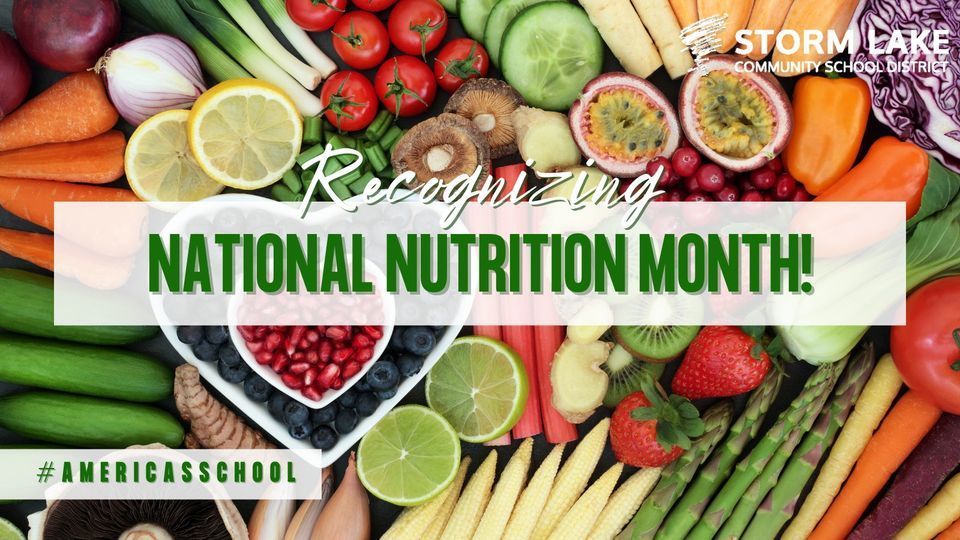 Nutrition education is a crucial component of a well-rounded curriculum in schools. By integrating nutrition lessons into various subjects, students can gain a deeper understanding of the importance of healthy eating habits and how it impacts their overall well-being.
Integrating Nutrition Education into Various Subjects
- Science: Teach students about the nutritional value of different food groups and how they contribute to overall health.
- Math: Incorporate activities that involve calculating calories, portion sizes, and nutritional content in recipes.
- Home Economics: Provide hands-on cooking lessons to help students develop practical skills in meal preparation and healthy eating.
- Physical Education: Educate students on the relationship between nutrition and physical fitness, emphasizing the importance of fueling their bodies with the right foods.
Benefits of Hands-On Cooking or Gardening Activities
- Encourages students to try new foods and develop a taste for healthy options.
- Promotes a sense of responsibility and ownership over their food choices.
- Instills valuable life skills that can lead to better eating habits in the future.
Examples of Schools Successfully Integrating Nutrition Education
- Green Bronx Machine in New York City incorporates gardening into their curriculum, teaching students about sustainability and healthy eating.
- The FoodCorps program partners with schools across the country to provide nutrition education and hands-on activities for students.
- The HealthMPowers program in Georgia integrates nutrition lessons into various subjects to promote healthy lifestyles among students.
Conclusive Thoughts
In conclusion, the active involvement of schools in National Nutrition Month can pave the way for healthier generations and brighter futures. By prioritizing nutrition education, fostering partnerships with parents and the community, and integrating culinary experiences into the curriculum, schools can truly make a difference in students' lives.
Top FAQs
How can schools encourage students to adopt healthier eating habits?
Schools can organize cooking classes, host nutrition workshops, and involve students in meal planning to promote healthy eating habits.
Why is collaboration with parents crucial for promoting nutrition in schools?
Parental involvement creates a supportive environment for students to practice good nutrition habits both at home and in school.
What are some examples of successful nutrition-related events schools can organize?
Schools can host healthy recipe contests, farmers' market visits, and nutrition fairs to engage students in fun and educational activities.