
Exploring the field of Clinical Mental Health Counseling and its potential as a career choice can be both enlightening and rewarding. Let's delve into the intricacies of this profession and discover if it aligns with your aspirations.
Delving deeper into the educational requirements, essential skills, work settings, and ethical considerations can provide valuable insights to aid in your decision-making process.
Overview of Clinical Mental Health Counseling
Clinical Mental Health Counseling is a specialized field within the broader realm of mental health counseling that focuses on diagnosing and treating various mental health issues. Clinical Mental Health Counselors work with individuals, couples, families, and groups to help them overcome emotional and psychological challenges.
Role of a Clinical Mental Health Counselor
A Clinical Mental Health Counselor assesses clients' mental health needs, develops treatment plans, and provides counseling services to promote emotional well-being. They may work in private practice, hospitals, schools, or community mental health centers.
Importance of Mental Health Counseling in Society
Mental health counseling plays a crucial role in society by providing support and treatment to individuals experiencing mental health issues. It helps reduce stigma, improve overall well-being, and enhance quality of life for those struggling with mental health challenges.
Educational Requirements
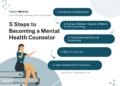
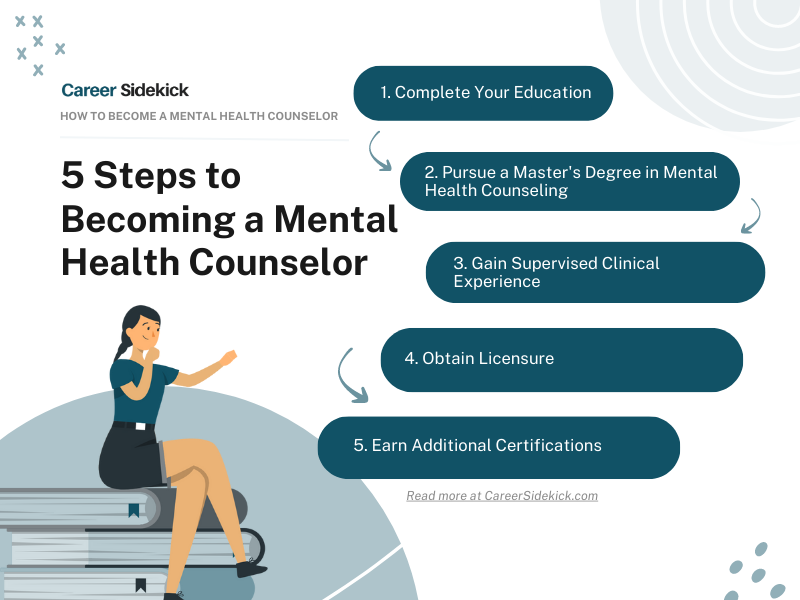
To become a Clinical Mental Health Counselor, individuals need to meet specific academic qualifications, gain practical experience in the field, and go through a licensing and certification process.Academic Qualifications
- Obtain a bachelor's degree in psychology, counseling, social work, or a related field.
- Complete a master's degree program in clinical mental health counseling, which includes coursework in counseling theories, ethics, and techniques.
- Participate in supervised clinical internships to gain hands-on experience working with clients.
Importance of Practical Experience
- Practical experience allows future counselors to apply theoretical knowledge in real-world settings.
- Working with clients under supervision helps develop counseling skills and build confidence.
- Hands-on experience is crucial for understanding client dynamics and implementing effective counseling interventions.
Licensing and Certification Process
- After completing the required education and supervised experience, individuals must pass a state licensing exam to practice as a mental health counselor.
- Additional certifications, such as the National Certified Counselor (NCC) credential, may be obtained to demonstrate expertise in the field.
- Continuing education and adherence to ethical guidelines are necessary to maintain licensure and certification.
Skills and Qualities
In order to have a successful career in Clinical Mental Health Counseling, there are key skills and qualities that are essential to possess. These attributes not only help in working effectively with clients but also contribute to personal growth and professional development.Empathy and Active Listening
Empathy and active listening are fundamental skills for any counselor. Empathy allows counselors to understand and share the feelings of their clients, creating a strong sense of connection and trust. Active listening, on the other hand, involves fully concentrating on what is being said, understanding the message, and responding thoughtfully. These skills are crucial in establishing a therapeutic relationship and facilitating meaningful conversations that lead to positive outcomes.
Self-Awareness and Cultural Competence
Self-awareness is the ability to recognize one's own emotions, thoughts, and values, which is vital for counselors to effectively manage their reactions and biases when working with clients. Cultural competence, on the other hand, involves understanding and respecting the cultural backgrounds, beliefs, and practices of clients. It is essential for counselors to be culturally competent to provide inclusive and effective counseling services to clients from diverse backgrounds.
Work Settings
 Clinical Mental Health Counselors have the opportunity to work in a variety of settings, each offering unique challenges and rewards. Whether in private practice or a clinical setting, counselors play a crucial role in supporting individuals dealing with mental health issues.
Private Practice vs. Clinical Setting
In a private practice, Clinical Mental Health Counselors have the flexibility to set their own schedules, choose their clients, and have more control over their therapeutic approach. On the other hand, working in a clinical setting may provide a more structured environment with access to resources, supervision, and collaboration with other professionals.Challenges and Rewards
- Private Practice:
- Challenge: Building a client base and managing the business aspects of running a practice.
- Reward: Establishing strong therapeutic relationships with clients and having the autonomy to tailor treatment plans.
- Clinical Setting:
- Challenge: Adhering to agency policies and working within a team dynamic.
- Reward: Access to a support network, ongoing training, and opportunities for professional growth.
Population and Specializations
In the field of Clinical Mental Health Counseling, professionals work with a diverse range of populations and often specialize in specific areas to provide tailored support and treatment. Understanding the various populations and specializations is crucial for counselors to effectively meet the unique needs of their clients.Various Populations in Clinical Mental Health Counseling
- Counselors work with children and adolescents, addressing issues such as behavioral problems, academic difficulties, and family dynamics.
- They also provide counseling to adults dealing with a wide range of mental health concerns, including anxiety, depression, trauma, and relationship issues.
- Specialized populations may include veterans, LGBTQ+ individuals, individuals with disabilities, and those struggling with substance abuse.
Common Specializations in Mental Health Counseling
- Some counselors specialize in marriage and family therapy, focusing on improving relationships and communication within families and couples.
- Others specialize in trauma counseling, helping individuals cope with the effects of trauma and develop healthy coping mechanisms.
- Substance abuse counseling is another common specialization, supporting individuals in overcoming addiction and maintaining sobriety.
Tailoring Approaches to Different Populations
- Counselors adapt their therapeutic approaches based on the specific needs and characteristics of the population they are working with.
- For children and adolescents, counselors may utilize play therapy or art therapy to engage them in the therapeutic process.
- When working with veterans, counselors may incorporate trauma-focused interventions to address combat-related experiences and PTSD.
- For individuals with substance abuse issues, counselors may integrate motivational interviewing and relapse prevention strategies into their treatment plans.
Ethical and Legal Considerations
As a Clinical Mental Health Counselor, it is crucial to adhere to strict ethical guidelines and legal considerations to ensure the well-being and protection of clients. These guidelines and laws help maintain professionalism, confidentiality, and trust within the counseling relationship.Confidentiality
Confidentiality is a cornerstone of counseling practice, where clients must feel safe sharing their personal information. Counselors are ethically bound to keep all client information confidential unless there is a threat of harm to the client or others. It is essential to clearly explain the limits of confidentiality to clients at the beginning of the therapeutic relationship.Boundaries
Maintaining appropriate boundaries is vital in counseling to prevent any harm or exploitation of the client-counselor relationship. Counselors must establish clear boundaries to ensure a professional and ethical therapeutic environment. This includes avoiding dual relationships, conflicts of interest, and setting limits on personal disclosures.Duty to Report
Counselors have a legal obligation to report any instances of child abuse, elder abuse, or threats of harm to oneself or others. It is crucial for mental health counselors to be aware of their duty to report requirements and follow the necessary protocols to ensure the safety and well-being of all individuals involved.Legal Obligations
Mental health counselors must comply with state laws and regulations governing the practice of counseling. This includes obtaining proper licensure, maintaining client records securely, and following guidelines for informed consent. Understanding the legal responsibilities ensures that counselors provide ethical and effective services to clients.Career Prospects and Growth
Clinical Mental Health Counseling offers promising career prospects and opportunities for growth in the mental health field. As awareness of mental health issues continues to rise, the demand for qualified counselors is expected to increase significantly in the coming years. This presents a favorable outlook for individuals considering a career in Clinical Mental Health Counseling.Job Outlook for Clinical Mental Health Counselors
- The Bureau of Labor Statistics projects a 25% growth in employment for Mental Health Counselors from 2019 to 2029, much faster than the average for all occupations.
- This growth is driven by the increased recognition of the importance of mental health and the growing need for mental health services across various populations.
- Job opportunities are expected to be particularly strong in rural areas and underserved communities where access to mental health services is limited.
Career Advancement and Specialization
- After gaining experience as a Clinical Mental Health Counselor, individuals can pursue advanced certifications or licenses to specialize in areas such as trauma counseling, substance abuse treatment, or marriage and family therapy.
- Opportunities for career advancement include moving into supervisory roles, becoming program directors, or opening a private practice.
- Ongoing professional development and training can also lead to increased specialization and expertise in niche areas of mental health counseling.
Impact of Mental Health Awareness on Demand
- The growing awareness of mental health issues in society has led to a greater acceptance of seeking counseling services, thereby increasing the demand for Clinical Mental Health Counselors.
- Campaigns to reduce stigma around mental health and promote self-care have contributed to more individuals recognizing the importance of mental well-being and seeking professional help.
- This shift in attitude towards mental health has created a more supportive environment for counselors and has positively impacted the job market for mental health professionals.
Last Point
In conclusion, Clinical Mental Health Counseling offers a fulfilling path for those passionate about mental health and helping others. By understanding the various aspects of this career, you can make an informed choice about whether it is the right fit for you.
Clarifying Questions
What are the key skills needed for a career in Clinical Mental Health Counseling?
Effective communication, empathy, problem-solving, and cultural competence are essential skills for success in this field.
What are some common specializations within Clinical Mental Health Counseling?
Common specializations include substance abuse counseling, marriage and family therapy, and trauma counseling.
How does practical experience contribute to becoming a licensed Mental Health Counselor?
Practical experience allows aspiring counselors to apply their theoretical knowledge in real-world scenarios, enhancing their skills and understanding.