
Delve into the hidden world of mental suffering in loved ones with a focus on recognizing the subtle signs that often go unnoticed. This exploration promises to shed light on the unspoken struggles many face, providing invaluable insights for better understanding and support.
Explore the nuanced behaviors, physical symptoms, social withdrawal, and changes in communication that could signify underlying mental distress in those closest to us.
Understanding Mental Suffering Signs
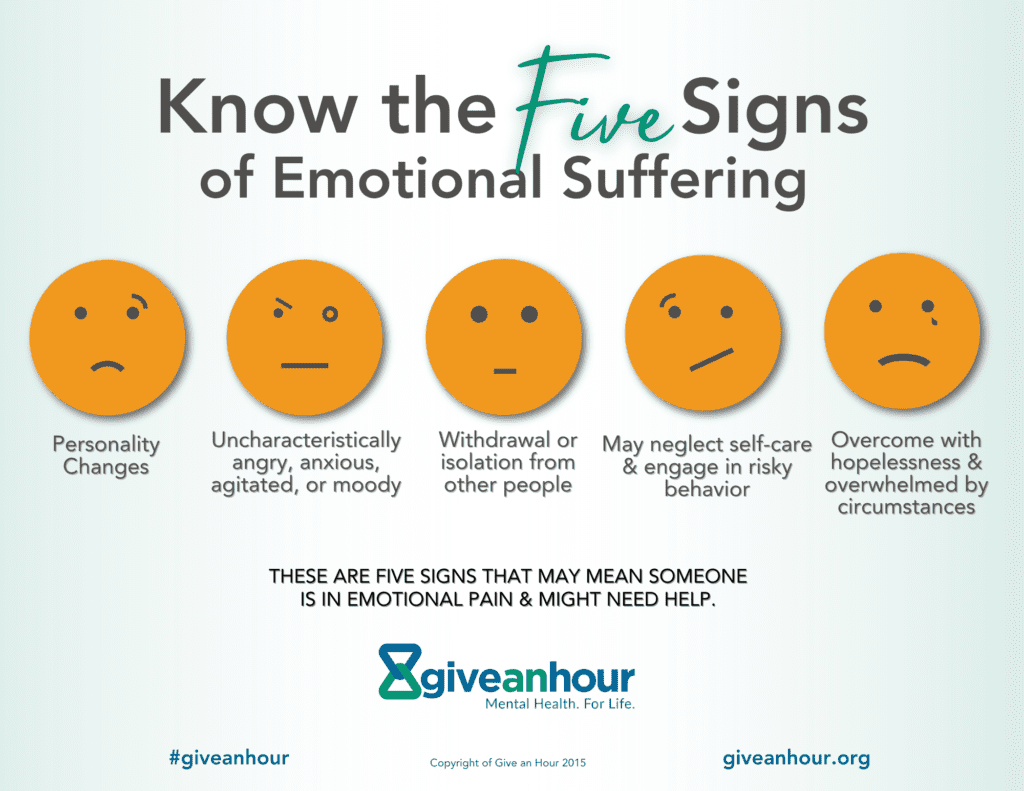
Recognizing the silent signs of mental suffering in loved ones is crucial for providing support and intervention. Often, these signs may not be overt or vocalized, making it essential to pay attention to subtle cues and changes in behavior.
Common Silent Signs of Mental Suffering
- Withdrawal from social activities and relationships
- Changes in sleep patterns, such as insomnia or oversleeping
- Loss of interest in previously enjoyed activities
- Increased irritability or mood swings
Subtle Behavioral Changes Indicating Mental Health Struggles
- Difficulty concentrating or making decisions
- Changes in appetite, either overeating or undereating
- Physical symptoms like headaches or stomach issues with no clear cause
- Engaging in risky behaviors or substance abuse
Manifestation of Mental Suffering in Individuals
- Some individuals may become more withdrawn and quiet, while others may exhibit agitation and restlessness
- For some, mental suffering may manifest as increased sensitivity to criticism or rejection
- Others may show signs of hopelessness or helplessness in their demeanor
Non-Verbal Cues Signaling Underlying Mental Distress
- Body language like avoiding eye contact or slumped posture
- Changes in grooming habits or personal care routines
- Frequent sighing or fidgeting
- Expressing feelings of guilt or worthlessness through gestures or expressions
Observing Physical Symptoms
When trying to recognize mental suffering in loved ones, paying attention to physical symptoms is crucial as they can often indicate underlying emotional distress.
Physical Signs of Mental Suffering:
- Changes in appetite: Significant weight loss or gain, sudden changes in eating habits, or loss of interest in food can be signs of mental distress.
- Sleep disturbances: Insomnia, oversleeping, or frequent nightmares may indicate that someone is struggling with their mental health.
- Frequent headaches or stomachaches: Persistent physical pain without a clear medical cause can be a manifestation of emotional pain.
- Fatigue or low energy levels: Feeling constantly tired or lacking motivation can be linked to mental suffering.
- Unexplained aches and pains: Physical discomfort that cannot be attributed to a specific injury or illness may be a result of underlying emotional turmoil.
Connection Between Mental Health and Physical Symptoms:
It's important to understand that mental health and physical well-being are closely interconnected. Emotional distress can manifest itself in various physical ways, affecting the body as a whole.
Changes in Appetite and Sleep Patterns:
Changes in appetite, such as overeating or undereating, and disruptions in sleep patterns, like insomnia or excessive sleeping, are common signs of mental distress. These changes can be a reflection of emotional struggles and should not be ignored.
Importance of Paying Attention to Physical Manifestations:
Physical symptoms of mental suffering should not be dismissed or overlooked. They can provide valuable insights into a person's emotional well-being and help in identifying underlying mental health issues that need to be addressed.
Recognizing Social Withdrawal
Social withdrawal can often be a silent sign of mental suffering in loved ones. It can manifest as a desire to isolate oneself from social interactions, avoiding gatherings or cutting off communication with friends and family. This behavior can indicate underlying emotional distress or mental health issues that need attention.Distinguishing Between Introversion and Concerning Social Withdrawal
- Introversion: Introverted individuals may prefer solitude or smaller social gatherings to recharge their energy. They are comfortable with alone time and may still maintain meaningful relationships.
- Concerning Social Withdrawal: When someone starts avoiding social events they used to enjoy, disconnecting from loved ones, or showing signs of isolation without any apparent reason, it could be a cause for concern.
Examples of Social Withdrawal in Mental Suffering
- A loved one who used to be the life of the party suddenly starts declining invitations and spending most of their time alone.
- They stop responding to calls or messages from friends and family, cutting off communication abruptly.
- They avoid discussing their feelings or problems, becoming increasingly distant and detached from their usual social circle.
Impact of Loneliness on Mental Well-being
Loneliness resulting from social withdrawal can have a detrimental effect on mental well-being. It can lead to feelings of emptiness, sadness, and a sense of isolation. Prolonged loneliness can exacerbate existing mental health issues or even lead to the development of new ones. It is crucial to pay attention to loved ones who exhibit signs of social withdrawal and offer support and understanding during their time of need.Noticing Changes in Communication
 Changes in communication patterns can be a key indicator of someone's mental health struggles. When a person is suffering internally, it often manifests in their communication style, whether through verbal or written interactions.
Significance of Changes in Communication
- Changes in Tone: A shift in tone, such as becoming more irritable or withdrawn, can signal underlying emotional distress.
- Frequency of Communication: A decrease in communication or sudden isolation may indicate feelings of loneliness or depression.
- Content of Communication: Expressions of hopelessness, helplessness, or negative self-talk can be red flags for mental suffering.
Examples of Expressing Inner Suffering
- Using self-deprecating language or expressing feelings of worthlessness.
- Constantly talking about feeling overwhelmed or unable to cope with daily tasks.
- Abrupt changes in topic or difficulty staying focused during conversations.
Importance of Active Listening and Observation
Active listening involves not only hearing what someone is saying but also paying attention to how they are saying it. Observing changes in communication requires empathy, patience, and a willingness to engage in open and honest conversations. By actively listening and observing these subtle cues, you can better understand and support your loved ones who may be silently struggling with their mental health.Last Recap
In conclusion, understanding the silent signs of mental suffering in loved ones is crucial for offering the necessary support and care. By being attentive to these subtle cues, we can create a more empathetic and compassionate environment for those struggling with mental health issues.
Expert Answers
What are some common silent signs of mental suffering?
Common silent signs include social withdrawal, changes in behavior, and communication patterns.
How can changes in appetite or sleep patterns indicate mental distress?
Changes in appetite or sleep patterns can be signs of stress or anxiety affecting one's mental well-being.
What is the impact of loneliness on mental well-being?
Loneliness can significantly impact mental health, leading to feelings of isolation and depression.